Click and drag to move the item around. To zoom into the item, shift and scroll.
Ga'dang attire
Paracelis, Mountain province
16th - 17th Century
HLF Gallery
It is well known that the Ga’dang people have the most embellished clothing among the different groups that span the Philippines, as they reside in the Provinces of Quirino, Nueva Vizcaya, Isabela, Mountain Province, and Kalinga. They express their artistry through manu’bak (beadwork) and ammeru (embroidery), exquisitely showing their handiwork in their clothing and accessories.
The majority of the Ga’dang attire is colored red. Women often weave these vibrantly colored garments with beads, buttons, small coins, and shells such as mother-of-pearl. A long-sleeved shirt called the bawarawsi, a woven belt called bakwat, and a wrap-around skirt called aken make up the feminine outfit. In the past, it was only when they traveled to the lowlands that Ga’dang women wore upper garments. It is said that women seldom go without beads around their necks. The female ensemble is elevated using various adornments like the attifulan (headdress), buraway (earrings), tufut (bag or pouch), and different kinds of sillay (necklaces) such as the sinalisali and karawewin.
Often with beaded tassels, each piece in these ensembles is adorned with stitched bukat or tiny beads. They consider the hues red, yellow, black, white, and brown to be particularly Ga'dang.
References:
National Museum of the Philippines. (2025, March 30). 𝐌𝐀𝐍𝐔'𝐁𝐀𝐊 𝐀𝐍𝐃 𝐀𝐌𝐌𝐄𝐑𝐔: 𝐁𝐄𝐀𝐃𝐖𝐎𝐑𝐊𝐒 𝐀𝐍𝐃 𝐄𝐌𝐁𝐑𝐎𝐈𝐃𝐄𝐑𝐘 𝐀𝐌𝐎𝐍𝐆 𝐓𝐇𝐄 𝐆𝐀'𝐃𝐀𝐍𝐆. [Status update]. Facebook. https://www.facebook.com/nationalmuseumofthephilippines/posts/𝐌𝐀𝐍𝐔𝐁𝐀𝐊-𝐀𝐍𝐃-𝐀𝐌𝐌𝐄𝐑𝐔-𝐁𝐄𝐀𝐃𝐖𝐎𝐑𝐊𝐒-𝐀𝐍𝐃-𝐄𝐌𝐁𝐑𝐎𝐈𝐃𝐄𝐑𝐘-𝐀𝐌𝐎𝐍𝐆-𝐓𝐇𝐄-𝐆𝐀𝐃𝐀𝐍𝐆as-we-continue-to-ce/1085082073647071/
Ethnic Groups of the Philippines. (n.d.). Gaddang. http://www.ethnicgroupsphilippines.com/ethnic-groups-in-the-philippines/gaddang/
National Museum of Anthropology, Hibla ng Lahing Filipino Gallery, Featured Textiles
Related Artifacts:
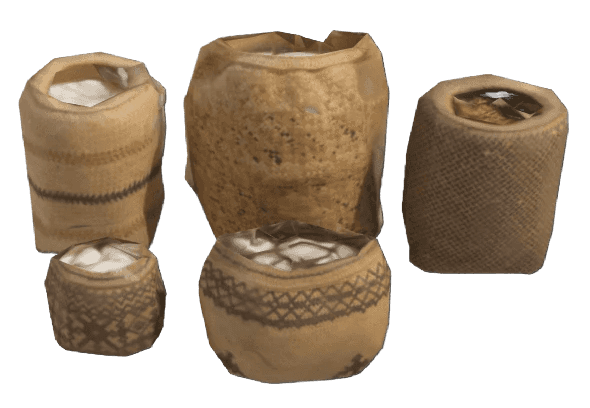
Rice Bags
Mindoro & Aborlan, Palawan
Year Unknown
Rice, Biodiversity, and
Climate Change Gallery
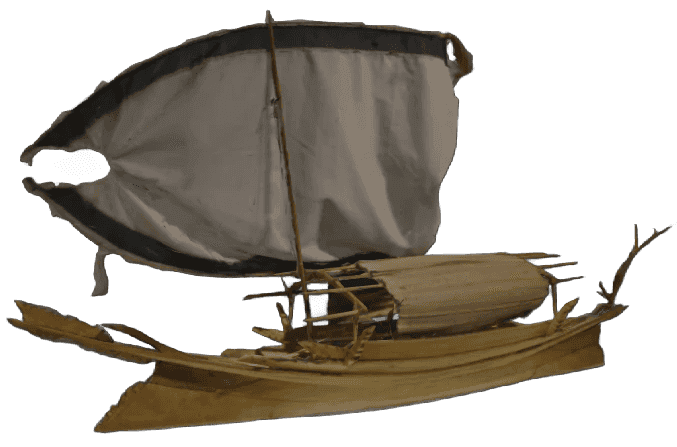
Lepa House Boat
Sama | Sitangkai, Tawi-Tawi
Year Unknown
Entwined Spheres Gallery
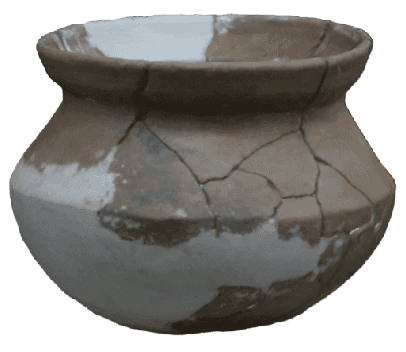
Red-slipped Earthenware
Batanes, Cagayan
4300 BC down to 2000 BC
Palayok gallery
BAGO-BAGO MUSEO
Bago-Bago Museo is a national digital museum, with 360° photogrammetry models. Our goal is to help foster a space of knowledge and linking our past and our present. We are currently hosting artifacts from the National Museum of Anthropology, under Salinlahi-Bago Galeriya.
QUICK LINKS
Gallery
About Gallery
About Us
CONTACT
Aiken Marquez
Email: 202201080@iacademy.edu.ph
Phoebe Dacayo
Email: 202201084@iacademy.edu.ph
Rania Pucan
Email: 202201112@iacademy.edu.ph
Chloe Villania
Email: 202201004@iacademy.edu.ph
This is a capstone project for iACADEMY (SY 2025-2026) for Multimedia Arts and Design
To click, drag, and zoom in, use two fingers.
Ga'dang attire
Paracelis, Mountain province
16th - 17th Century
HLF Gallery
It is well known that the Ga’dang people have the most embellished clothing among the different groups that span the Philippines, as they reside in the Provinces of Quirino, Nueva Vizcaya, Isabela, Mountain Province, and Kalinga. They express their artistry through manu’bak (beadwork) and ammeru (embroidery), exquisitely showing their handiwork in their clothing and accessories.
The majority of the Ga’dang attire is colored red. Women often weave these vibrantly colored garments with beads, buttons, small coins, and shells such as mother-of-pearl. A long-sleeved shirt called the bawarawsi, a woven belt called bakwat, and a wrap-around skirt called aken make up the feminine outfit. In the past, it was only when they traveled to the lowlands that Ga’dang women wore upper garments. It is said that women seldom go without beads around their necks. The female ensemble is elevated using various adornments like the attifulan (headdress), buraway (earrings), tufut (bag or pouch), and different kinds of sillay (necklaces) such as the sinalisali and karawewin.
Often with beaded tassels, each piece in these ensembles is adorned with stitched bukat or tiny beads. They consider the hues red, yellow, black, white, and brown to be particularly Ga'dang.
References:
National Museum of the Philippines. (2025, March 30). 𝐌𝐀𝐍𝐔'𝐁𝐀𝐊 𝐀𝐍𝐃 𝐀𝐌𝐌𝐄𝐑𝐔: 𝐁𝐄𝐀𝐃𝐖𝐎𝐑𝐊𝐒 𝐀𝐍𝐃 𝐄𝐌𝐁𝐑𝐎𝐈𝐃𝐄𝐑𝐘 𝐀𝐌𝐎𝐍𝐆 𝐓𝐇𝐄 𝐆𝐀'𝐃𝐀𝐍𝐆. [Status update]. Facebook. https://www.facebook.com/nationalmuseumofthephilippines/posts/𝐌𝐀𝐍𝐔𝐁𝐀𝐊-𝐀𝐍𝐃-𝐀𝐌𝐌𝐄𝐑𝐔-𝐁𝐄𝐀𝐃𝐖𝐎𝐑𝐊𝐒-𝐀𝐍𝐃-𝐄𝐌𝐁𝐑𝐎𝐈𝐃𝐄𝐑𝐘-𝐀𝐌𝐎𝐍𝐆-𝐓𝐇𝐄-𝐆𝐀𝐃𝐀𝐍𝐆as-we-continue-to-ce/1085082073647071/
Ethnic Groups of the Philippines. (n.d.). Gaddang. http://www.ethnicgroupsphilippines.com/ethnic-groups-in-the-philippines/gaddang/
National Museum of Anthropology, Hibla ng Lahing Filipino Gallery, Featured Textiles
Related Artifacts:
Rice Bags
Mindoro & Aborlan, Palawan
Year Unknown
Rice, Biodiversity, and
Climate Change Gallery
Lepa House Boat
Sama | Sitangkai, Tawi-Tawi
Year Unknown
Entwined Spheres Gallery
Red-slipped Earthenware
Batanes, Cagayan
4300 BC down to 2000 BC
Palayok gallery
BAGO-BAGO MUSEO
QUICK LINKS
CONTACT
Aiken Marquez
Email: 202201080@iacademy.edu.ph
Phoebe Dacayo
Email: 202201084@iacademy.edu.ph
Rania Pucan
Email: 202201112@iacademy.edu.ph
Chloe Villania
Email: 202201004@iacademy.edu.ph
This is a capstone project for iACADEMY (SY 2025-2026) for Multimedia Arts and Design
Bago-Bago Museo is a national digital museum, with 360° photogrammetry models. Our goal is to help foster a space of knowledge and linking our past and our present. We are currently hosting artifacts from the National Museum of Anthropology, under Salinlahi-Bago Galeriya.